What the Demo Actually Shows You — and What It Hides
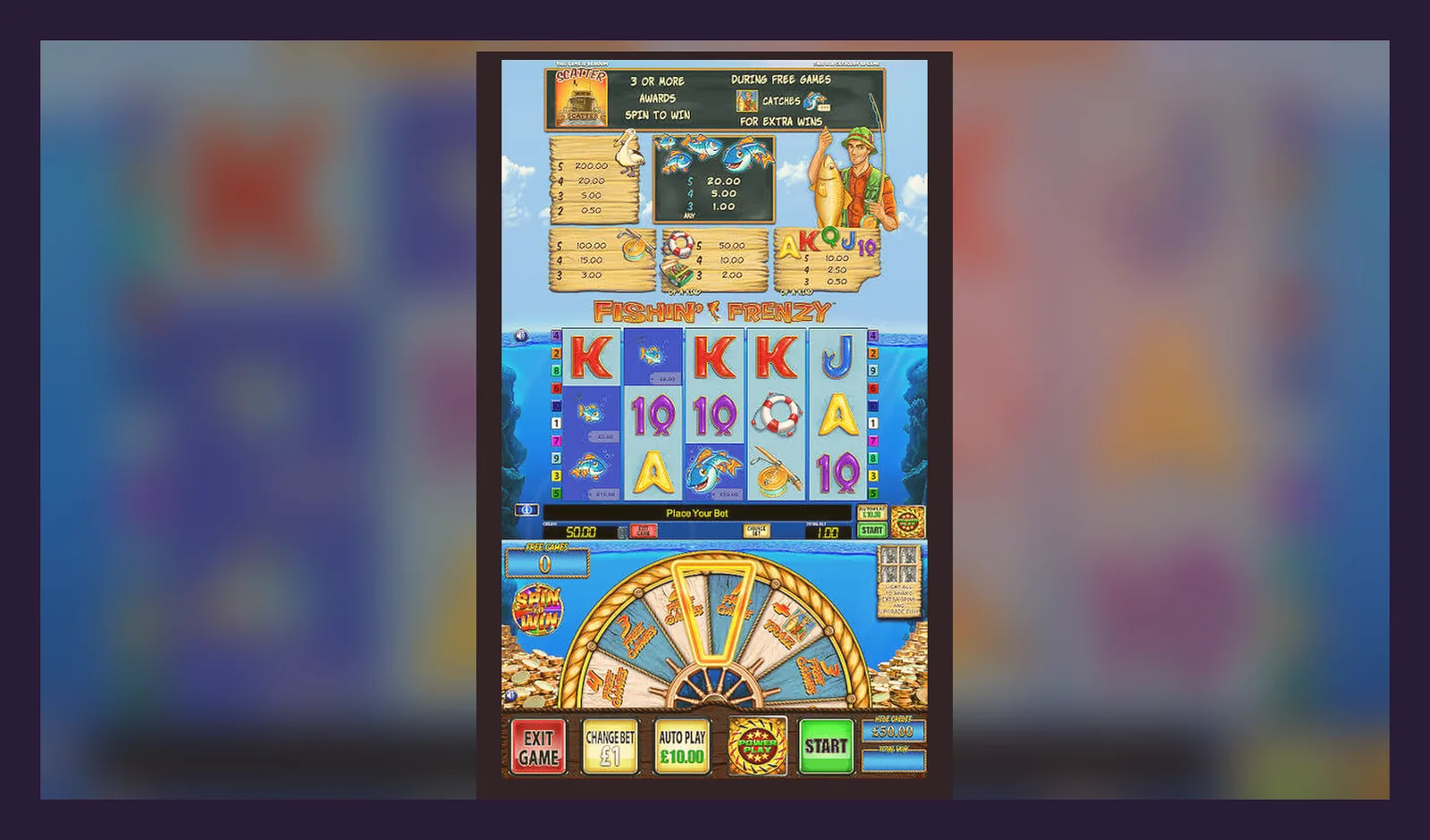
Here's what's not straightforward: most UKGC-licensed sites gate their demos behind a logged-in account. You'll see the «Play for Free» button, but clicking it asks you to register and verify your age before the reels spin. That's deliberate. The Gambling Commission wants every interaction — even unpaid practice — tracked to an 18+ identity, so operators collect your details upfront. A few brands still serve instant demos to anonymous visitors, but the trend since 2024 has moved the other way.
The demo itself is the real slot with training wheels: same RTP, same volatility model, same bonus trigger rate. What changes is the money and the guardrails around it. This page walks through what a UK demo session looks like, which numbers carry over when you switch to deposits, and where the friction — KYC, affordability checks, withdrawal caps — shows up the moment real cash enters the picture.
Registration Gates and Why They Exist Here
The UK's 2020 National Strategy changed how operators handle free play. Before that, you could drop onto a casino site, click a slot thumbnail, and spin demo credits with no login. Now, the Commission expects age verification at first contact, and most platforms interpret that to mean gating the demo behind a registered, verified account.
The process: you'll enter an email, pick a password, supply your name, date of birth, and postcode. The site runs an instant check against Equifax or Experian databases — if your details match voting-roll or credit-reference records and you're over 18, the account opens in under a minute. If the automated check fails, you'll upload a passport or driving licence, and manual review adds 12 to 48 hours. Only then does the demo unlock.
- No payment method required — registration doesn't ask for a card
- GAMSTOP block applies even to demos; if you're self-excluded, the login screen stops you
- Age cap is 18; the check won't pass if your birth date shows 17 years and 364 days
What a Demo Session Looks Like with Real Stake Caps
Once you're in, the demo loads with a virtual balance — usually £500 to £1,000 in play money. The stake slider shows the same range you'd see with deposits: £0.10 minimum, £5.00 maximum per spin. That £5 cap isn't a demo quirk; it's the legal limit for all online slots in Great Britain, set by the Gambling Commission in April 2019 and holding steady through 2026. If you're 18 to 24, the cap drops to £2 per spin, and the demo enforces that as well, keyed to the birth date in your profile.
The reels spin at the same speed as real play, the bonus round triggers at the same statistical frequency, and the paytable multipliers match penny for penny. You're playing the certified RTP model — the one Blueprint Gaming filed with the testing lab — so a £1 demo spin and a £1 cash spin pull from identical probability tables. The difference is consequence: bust the demo balance and you refresh the page for another £500. Bust a deposit and the money's gone.
One tell: the demo balance never depletes permanently. Hit zero, refresh the browser, and you're back to £500. That removes the psychological sting of a losing streak, which is exactly why regulators worry about demos as a gateway — they teach the mechanic but not the financial consequence. Keep that gap in mind when you're deciding whether to switch.
Which Numbers Transfer to Real Money and Which Don't
The RTP, volatility index, and bonus maths are identical. If the demo spec sheet says 96.10% return and high variance, those figures don't change when you deposit. The hit frequency — how often any win lands, even a £0.20 return on a £1 spin — stays constant. What you learn about the game's rhythm in demo mode applies directly to cash sessions.
What doesn't transfer: balance, win history, and bonus «luck». The random-number generator resets with every session, demo or real. A big free-spins win in practice mode has zero predictive value for your next real-money attempt. The RNG doesn't owe you a repeat, and it doesn't «remember» that it just paid out. Each spin is an independent event with fixed probabilities, recalculated from scratch.
| Element | Carries Over? | Why It Matters | |
|---|---|---|---|
| RTP Percentage | Yes | Certified model, same for demo and cash | → |
| Volatility Profile | Yes | Losing streaks and big-win spacing identical | → |
| Bonus Trigger Rate | Yes | Free-spins frequency unchanged | → |
| Win History | No | RNG resets; past spins don't influence future results | → |
| Balance State | No | Demo credits vanish; deposits require KYC and limits | → |
The practical upshot: use the demo to learn the paytable, test stake levels, and see how often the bonus round appears over 200 or 300 spins. Don't use it to «scout» a hot streak or assume the next session will mirror the last. The maths carries over; the outcomes don't.
What the Demo Hides: Withdrawals, KYC, and Bonus Chains
The demo skips every friction point that defines real casino play in this market. You don't see the KYC upload screen, the 24-hour document-review hold, or the affordability questionnaire that triggers once your net deposits hit £150 in a calendar month. You don't encounter the credit-reference check that some operators now run at £500, asking for payslips or bank statements if the data suggests you're overstretching. And you never touch the withdrawal process — the part where Faster Payments move money back to your bank in one to two working days, but only after the operator has verified your identity, matched your debit card to your name, and cleared any bonus wagering requirements.
Bonuses are the other blind spot. The demo might let you trigger free spins, but it won't show you the 35× or 40× wagering multiplier attached to a welcome offer, or the 72-hour expiry clock, or the £5 maximum bet restriction while a bonus is active. Real-money promotions come with terms — contribution percentages, game exclusions, win caps — and none of that surfaces in free play. If you're planning to claim an offer when you switch, read the full terms on the operator's site. Offers change, and the demo won't warn you.
- First withdrawal: expect 24 to 48 hours for document review, longer if manually checked
- Affordability stage one: automated credit-reference check at £150 net deposits a month
- Affordability stage two: payslip or bank-statement request at higher thresholds, varies by operator
- Bonus wagering: usually 35× to 50× the bonus amount before cash-out, with stake and game restrictions
Demo on Mobile and the Lowest-Risk Path to Real Stakes
The demo runs in mobile browsers — Safari on iOS, Chrome on Android — without an app download. UKGC operators build their slots in HTML5, so the same codebase serves desktop and phone. You'll log in through the site, tap «Play for Free», and the demo loads in portrait or landscape, your choice. Touch controls replace mouse clicks, and the stake slider adjusts with a swipe. Visual quality and load time match the real version; there's no separate mobile demo with simplified graphics.
If you're switching to deposits, here's the lowest-friction route: start with the minimum stake the game allows — usually £0.10 or £0.20 a spin — and deposit the smallest amount the site accepts, often £10. Set a session limit in your account settings before you spin: most UKGC platforms let you cap losses at £10, £20, or £50 per day, and the system will lock you out when you hit it. That's not a guarantee against loss, but it's a hard ceiling, and it mirrors the affordability rules the regulator expects operators to enforce.
- Register and pass age verification — same account you used for the demo
- Link a debit card (credit cards are banned for gambling here since April 2020) or Open Banking payment
- Deposit £10 to £20 as a test; avoid welcome bonuses on the first deposit if you want clean withdrawal access
- Set a daily loss limit in account settings before your first spin
- Play at minimum stake — £0.10 or £0.20 — to stretch the deposit and see the game's variance in action
Why skip the bonus initially? Wagering requirements lock your balance until you've turned over 35× to 50× the bonus amount, and games often contribute at reduced percentages — sometimes 10% per spin, sometimes zero. A £10 deposit with a £10 bonus and 40× wagering means £800 of turnover before you can withdraw, and that first cash-out still waits for document checks. Depositing clean gives you full control and faster access to any winnings, even if they're small.
FAQ
Do I need to register to play the demo, and does GAMSTOP block it?
Most UKGC-licensed sites now require a registered, age-verified account before they unlock demo play. You won't enter payment details, but you will supply your name, date of birth, and postcode for an instant database check. If you're on GAMSTOP — the UK's self-exclusion scheme — the block applies to demos as well. The system checks your details at login, and if there's a match, access is refused for the duration of your exclusion period, which runs from six months to five years depending on what you selected when you registered.
Does the demo use the same RTP and volatility as real-money spins?
Yes. The demo runs the certified game file that Blueprint Gaming submitted to the testing lab, so RTP, variance, and bonus-trigger frequency are identical to cash play. The random-number generator is independent for each session, meaning demo outcomes don't predict real-money results, but the underlying probability model is the same. What you see in free mode — hit frequency, payout distribution, bonus spacing — reflects the maths you'll face when you deposit.
What's the fastest way to withdraw if I switch to real money after demo play?
Upload your ID and proof of address as soon as your account is verified, before you deposit. Many operators hold the first withdrawal for 24 to 48 hours while they manually check documents, but if you've already submitted a passport or driving licence and a recent utility bill, that review is done and your first cash-out moves to the front of the queue. Use a debit card or Open Banking payment when you deposit — they're the fastest withdrawal routes, with Faster Payments typically landing in your bank within one to two working days once the operator approves the transaction.